Peptide Pureness Testing: How Scientists Verify Quality
Peptide Screening: Hplc & Mass Specification Purity Overview Pinnacle " Trailing"-- where the top routes off gradually on one side-- can show column problems, example overloading, or additional interactions between the peptide and the fixed phase. The gold standard for gauging peptide pureness is high-performance liquid chromatography, globally abbreviated as HPLC. If you see a pureness percentage on a peptide product, it almost certainly came from an HPLC evaluation. Keep in mind the small heights in the blue tirzepatide sample chromatogram that don't exist in the standard shots around it. These may be excipients or impurities in the tirzepatide vial. Given that they have a similar retention time to tirzepatide, they might be contaminations from the tirzepatide synthesis process, yet they might likewise be pollutants from the various other excipients in the vial.
Crude, Desalted, And High-purity: Recognizing Peptide Qualities
Where can I send my peptides to examine for purity?
ACS Peptide Examining Labs is a professional peptide evaluation laboratory that approves examples from all 50 states. Whether you require to evaluate peptide pureness, confirm a distributor''s Certification of Analysis, or run detailed pollutant testing, our lab offers quick, accurate outcomes with in-depth reporting.
Our Certified Peptide Synthesis Laboratory is specifically developed and operated to allow the custom-made synthesis of peptides in accordance with defined treatments and under suggested lab conditions. For peptide purity testing, reverse-phase HPLC is the basic conceptual design. Associated contaminations appear as smaller sized heights at various retention times. The chromatographic pureness is after that determined by comparing the area under the major top with the complete area under all incorporated heights. These fragments are usually smaller than the target peptide and might elute at various retention times. HPLC can reveal the existence of additional Sterile Water peaks; LC-MS can help appoint likely identities to those related types. Amino acid analysis or various other measurable techniques can sustain absolute content. Chiral approaches can deal with enantiomeric purity where stereochemistry is a worry. Residual-solvent or water-content tests can matter in manufacturing or stability contexts. These are valuable in the best setup, however they must be taken method-specific proof instead than an universal substitute for HPLC and MS.
Example Invoice
These are general research study context monitorings, Extra resources not item requirements. Methionine and cysteine deposits can be prone to oxidation. Oxidation modifications molecular buildings and can change retention habits, producing unique chromatographic optimals or relevant mass shifts. Asparagine and glutamine deposits can undertake deamidation, changing the peptide's cost and hydrophobicity. Deamidation is one reason storage conditions issue, particularly after a peptide has actually been reconstituted.
Exactly How Accurate Is Your Testing?
One common misunderstanding is that a highly pure peptide will certainly always liquify right away.Over a chain of 10, 20, or 40 amino acids, those tiny per-step error prices compound.Qing Li Peptide assurances this with extensive production and QC.Keeping a high degree of purity is critical because contaminations can influence bioassays or responses.
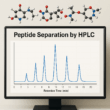
The lab provides HPLC pureness analysis and mass spectrometry identification confirmation. A chromatogram shows peaks representing various substances identified throughout HPLC analysis. The major height, generally the biggest, represents your target peptide.